
Aotearoa’s Seabird Superhighway: Meet the Pakahā and Rako (Fluttering and Buller’s Shearwaters)
Did you know the Hauraki Gulf is a globally significant seabird superhighway? While only about 365 of the world’s 11,000 bird species are considered seabirds, a staggering one-third of all seabirds are found in Aotearoa, New Zealand.
Critically, the Gulf itself hosts 27 breeding species, including five that breed nowhere else on Earth. This includes two avian treasures: the endangered tara iti (NZ fairy tern), our rarest bird, and the takahikare raro (New Zealand storm petrel), which was famously rediscovered after being thought extinct.
Countless other seabirds also rely on this vital region. Among the most abundant, and most often overlooked, are the shearwaters.
Pakahā and Rako (Fluttering and Buller’s Shearwaters)
If you've been lucky enough to see hundreds or even thousands of birds skimming low across the surface of the sea, chances are you've witnessed a flock of shearwaters.
Named for the way they appear to "shear" across the water on long, narrow wings, these remarkable seabirds are among the Hauraki Gulf's most active ocean travellers. Two species are commonly seen in the Gulf: the pakahā (fluttering shearwater) and the rako (Buller's shearwater).
At first glance, they can appear similar, but their lives tell slightly different stories.
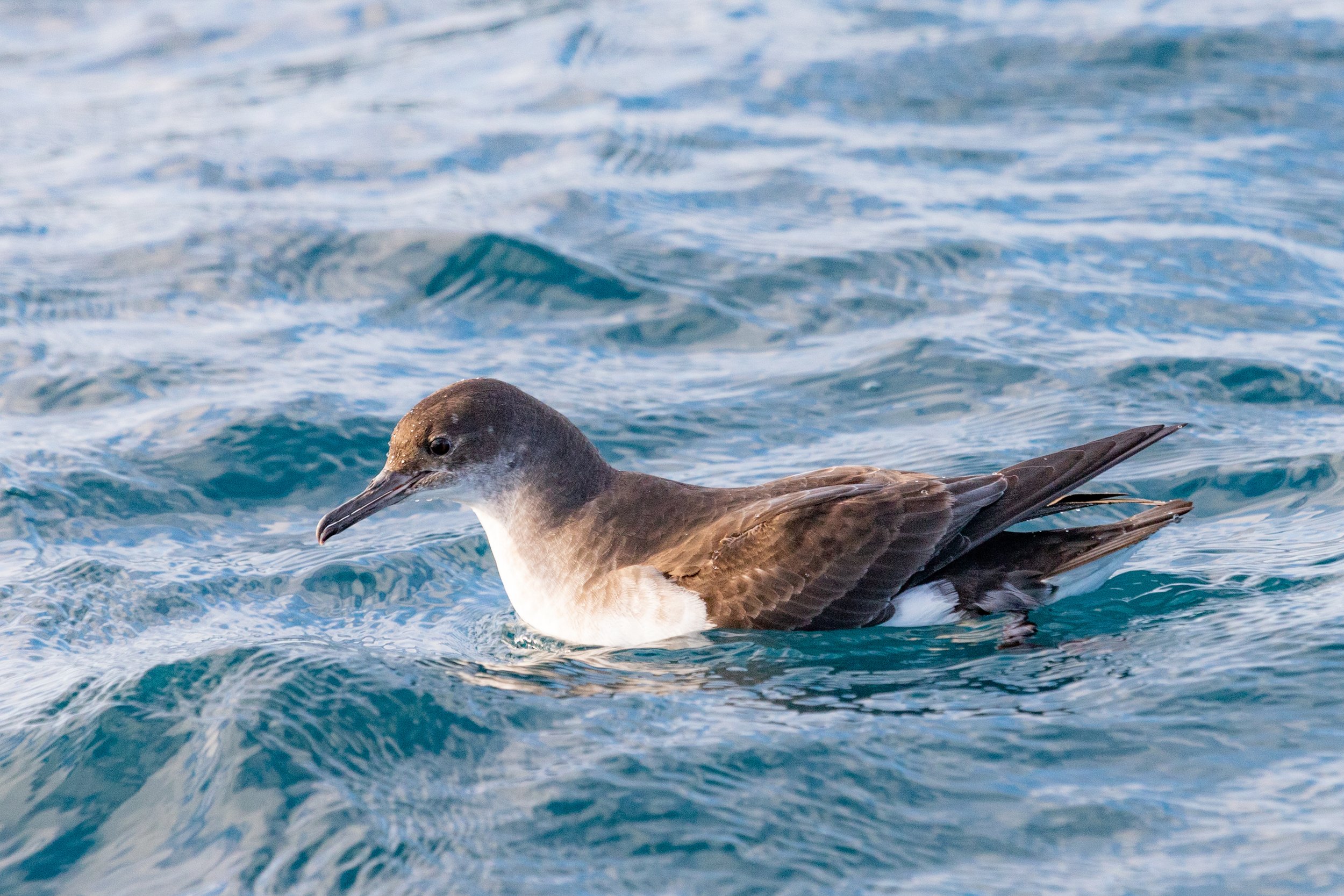
Fluttering Shearwater (Pakahā)
Following the fish
Pakahā are familiar residents of the Hauraki Gulf and are often seen in large feeding flocks.
These gatherings frequently form around schools of kahawai and other predatory fish that drive baitfish toward the surface. As fish push prey upwards from below, seabirds move in from above, creating the spectacular feeding frenzies sometimes seen across the Gulf.
For shearwaters, success depends on being in the right place at the right time. Their ability to locate food over vast areas of ocean is remarkable, and they often work alongside other seabirds, fish, and marine mammals to exploit temporary concentrations of prey.
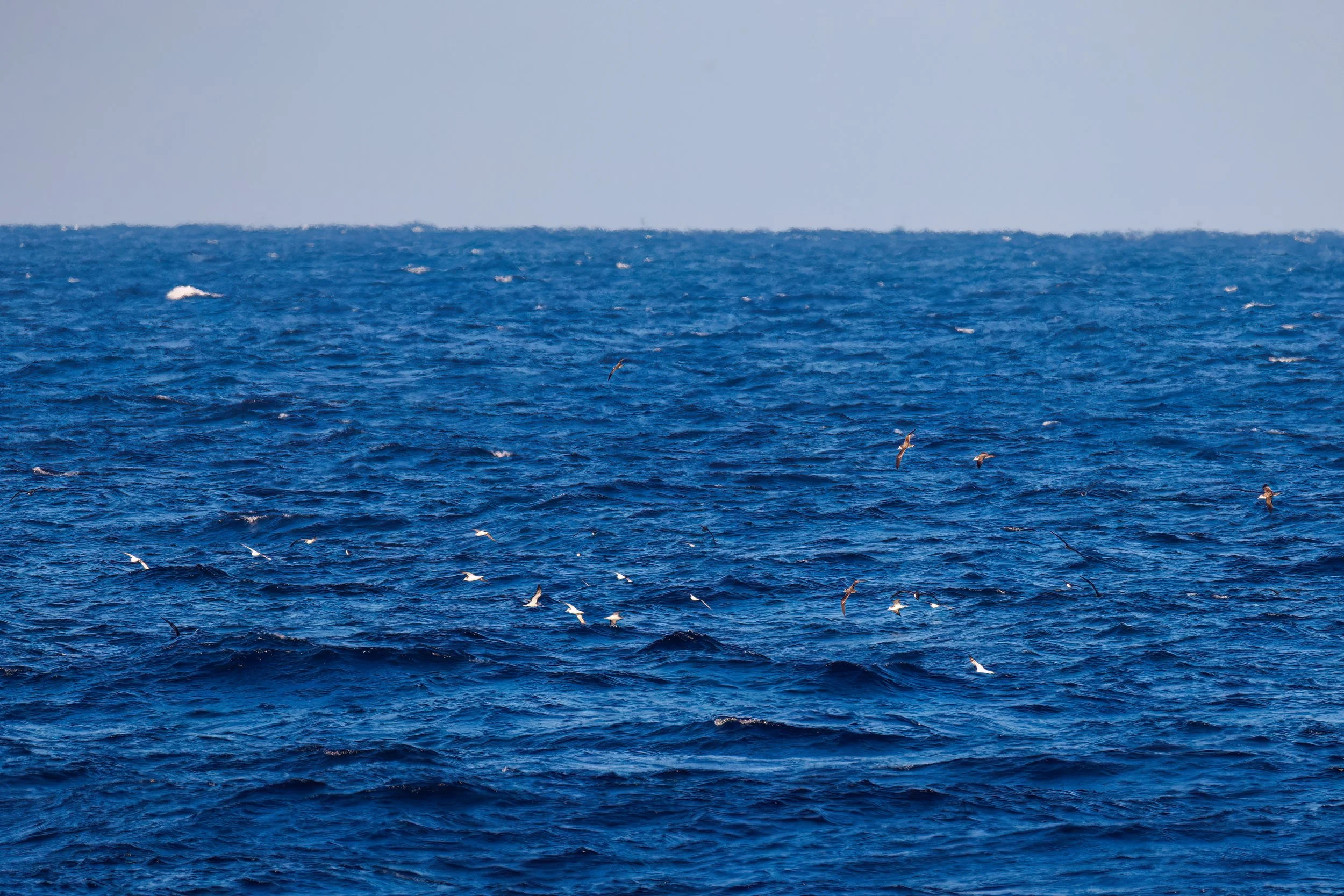
Flock of Fluttering Shearwater (Pakahā)
Travellers of the Pacific
While pakahā are regular residents of the Gulf, rako are among New Zealand's great ocean voyagers.
They breed mainly on islands around the Poor Knights and Mokohinau groups before undertaking extraordinary migrations across the Pacific Ocean, travelling thousands of kilometres between breeding and feeding grounds.
Like many seabirds, they spend the vast majority of their lives at sea, only returning to land to breed.
Their journeys remind us that the Hauraki Gulf is not an isolated ecosystem but part of a much larger ocean network connecting Aotearoa to the wider Pacific.
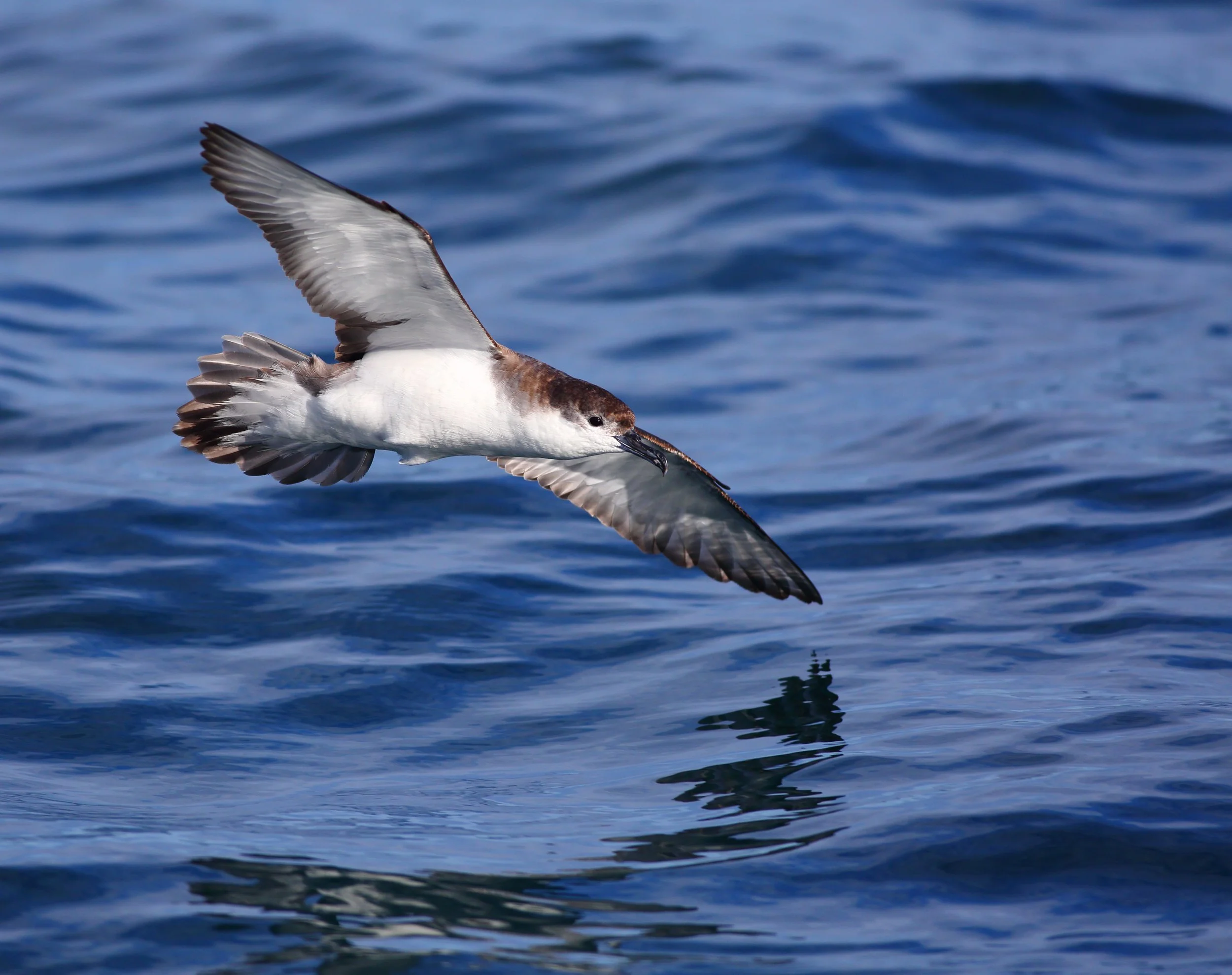
Buller Shearwater (Rako)
More than birds at sea
Like petrels and other burrow-nesting seabirds, shearwaters play an important role in linking ocean and land ecosystems.
They bring marine nutrients ashore through their guano and nesting activities, enriching soils and supporting coastal vegetation and invertebrate communities.
For thousands of years, seabird colonies helped shape the ecology of many Gulf islands. Where seabird populations thrive, the effects can ripple throughout entire ecosystems on the mainland.
A question for the future
Predator-free islands have allowed many seabird species to recover and recolonise former breeding sites across the Hauraki Gulf.
For species such as pakahā, conservationists know that suitable breeding habitat can often be restored. But another question remains… Will there be enough food available at critical times during the breeding season?
As ocean temperatures, food webs, and marine ecosystems continue to change, understanding the relationship between seabirds and their prey is becoming increasingly important. Protecting nesting sites is essential, but protecting healthy oceans matters too.
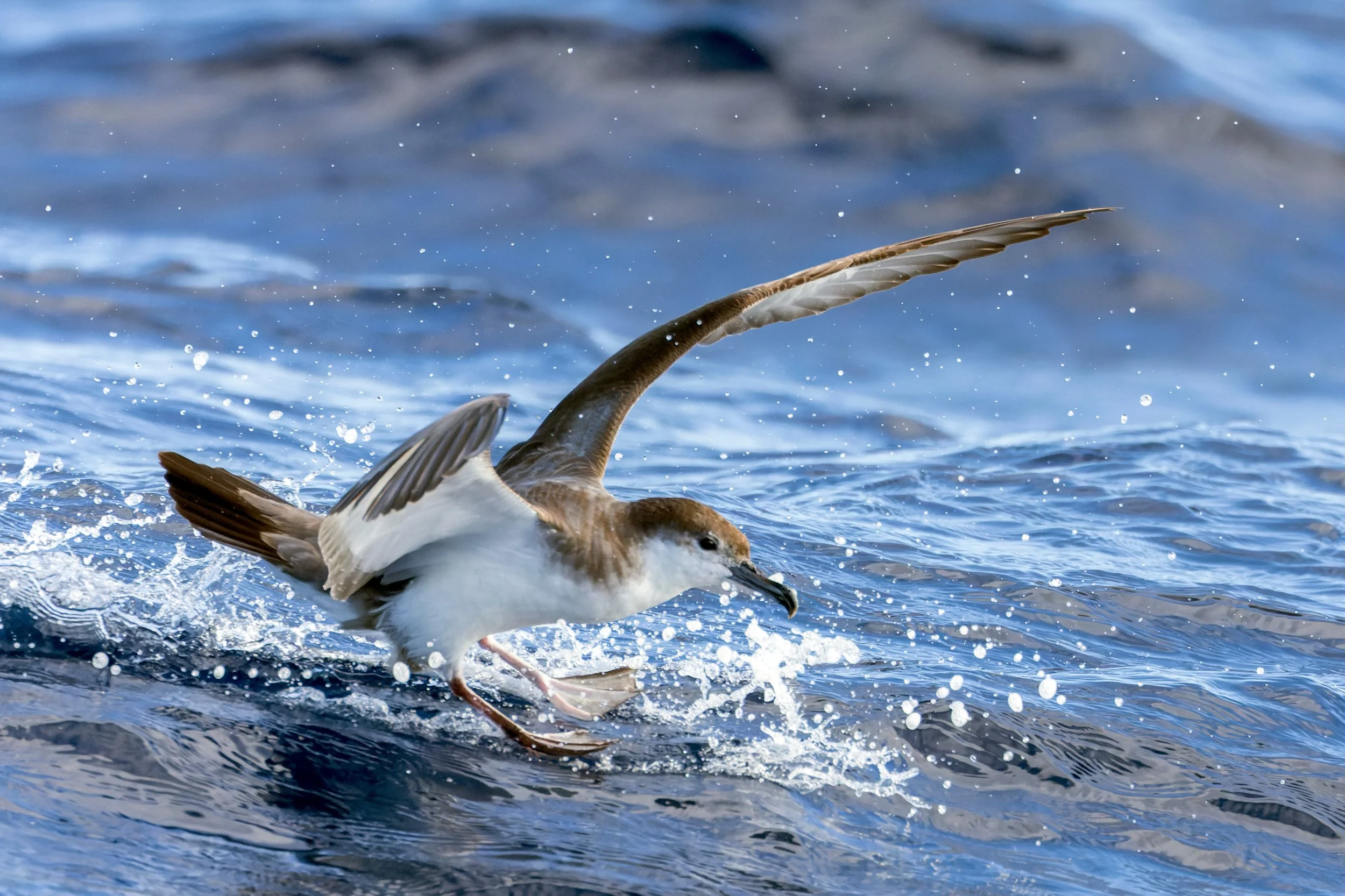
Buller Shearwater (Rako)
Why shearwaters matter
Unlike some of the rarer species featured in this series, shearwaters can still be seen in impressive numbers across the Hauraki Gulf. Yet, their abundance is precisely what makes them so important.
They are part of the everyday rhythm of the Gulf, connecting fish, plankton, predators, islands, and oceans into one vast living system.
When large flocks of shearwaters gather above feeding fish, they offer a glimpse of the ecological connections that make the Hauraki Gulf one of the world's great seabird hotspots. And they remind us that healthy oceans support far more than what we see beneath the surface.
Sources
Information and inspiration provided by Chris Gaskin and the Seabird Trust.
Additional information sourced from the Department of Conservation (DOC), Birds New Zealand, and New Zealand Birds Online.
Ecological insights adapted from seabird research relating to shearwater ecology, marine food webs, and nutrient transfer between ocean and land ecosystems.