
Aotearoa’s Seabird Superhighway: Meet the Takahikare Raro (New Zealand Storm Petrel)
Did you know the Hauraki Gulf is a globally significant seabird superhighway? While only about 365 of the world’s 11,000 bird species are considered seabirds, a staggering one-third of all seabirds are found in Aotearoa, New Zealand.
Critically, the Gulf itself hosts 27 breeding species, including five that breed nowhere else on Earth. This includes two avian treasures: the endangered tara iti (NZ fairy tern), our rarest bird, and the takahikare raro (New Zealand storm petrel), a bird once thought lost forever.
Countless other seabirds also rely on this region, but few have a story as remarkable as the takahikare raro.
Takahikare Raro (New Zealand Storm Petrel)
Imagine a bird disappearing from the world for more than 150 years.
That was the story of the takahikare raro. Known only from a handful of museum specimens collected in the 1800s, the New Zealand storm petrel was presumed extinct for over a century. Then, in 2003, the impossible happened.
Birdwatchers surveying seabirds in the outer Hauraki Gulf photographed a small storm petrel unlike any known species. Further observations confirmed what many had thought impossible: the New Zealand storm petrel was still alive.
Its rediscovery is considered one of the most significant ornithological discoveries in New Zealand's history.
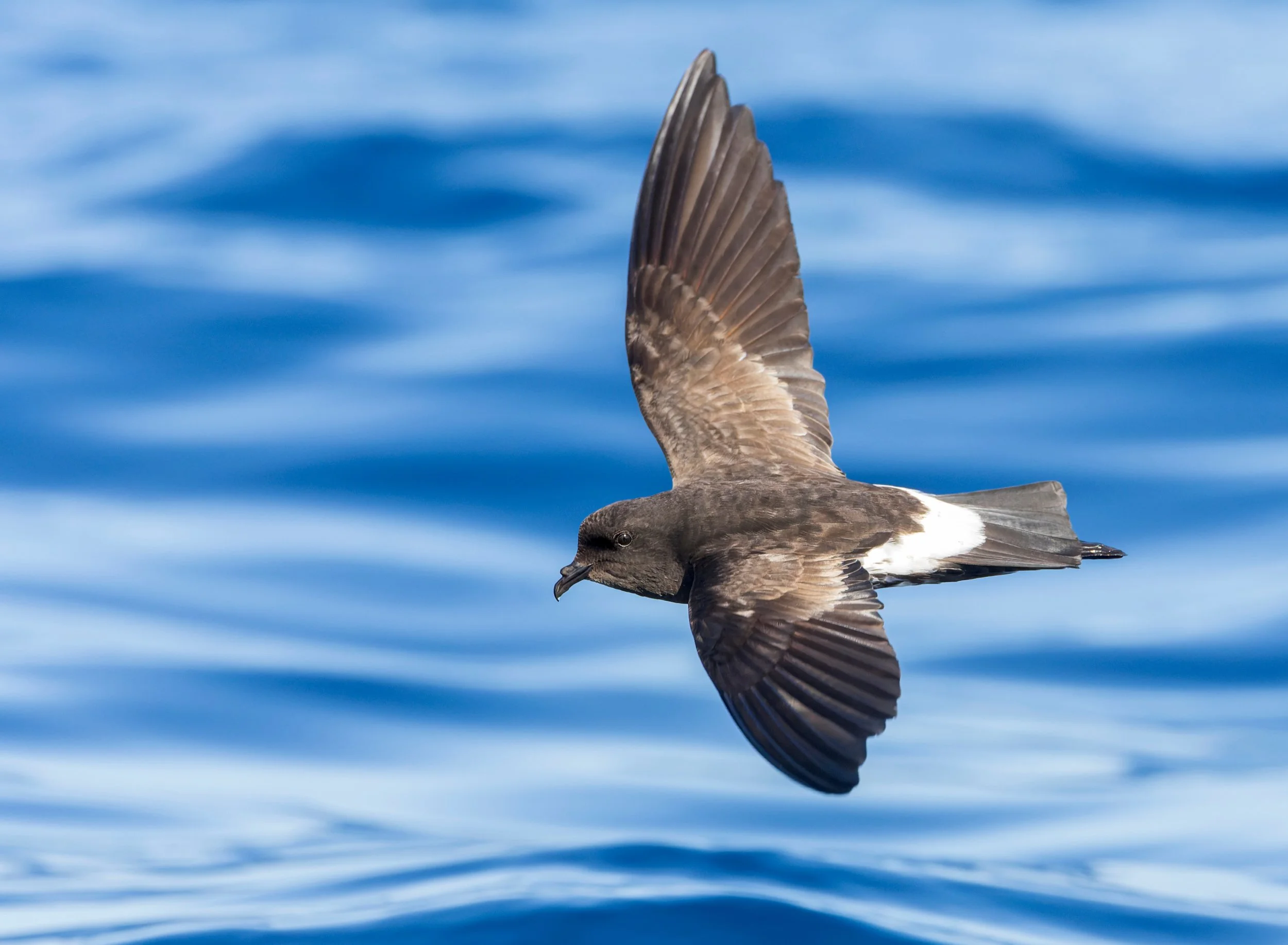
New Zealand Storm Petrel by Marc
Lost and found
For a decade after its rediscovery, one mystery remained unsolved. Where did it breed?
Scientists knew the birds were feeding in the Hauraki Gulf, but no one had ever found a nest. Then, in 2013, researchers finally discovered breeding birds on Hauturu / Little Barrier Island.
The finding solved a mystery that had persisted for generations, providing a vital opportunity to better protect the species. The timing was also significant because by then, introduced predators, including cats and rats, had been eradicated from Hauturu, creating safer conditions for seabirds to survive and breed.
A bird of the night
Like many petrels, takahikare raro spend almost their entire lives at sea. They feed on tiny marine creatures near the ocean surface and are often seen delicately pattering across the water with their feet as they forage. During the breeding season, they return to land under the cover of darkness, reducing the risk of predation.
Small and secretive, they are rarely seen by most people, yet despite their size, they play an important role in the wider ecosystem. Like other seabirds, they transport marine nutrients from the ocean back onto land through their guano and nesting activities, helping connect marine and terrestrial ecosystems.
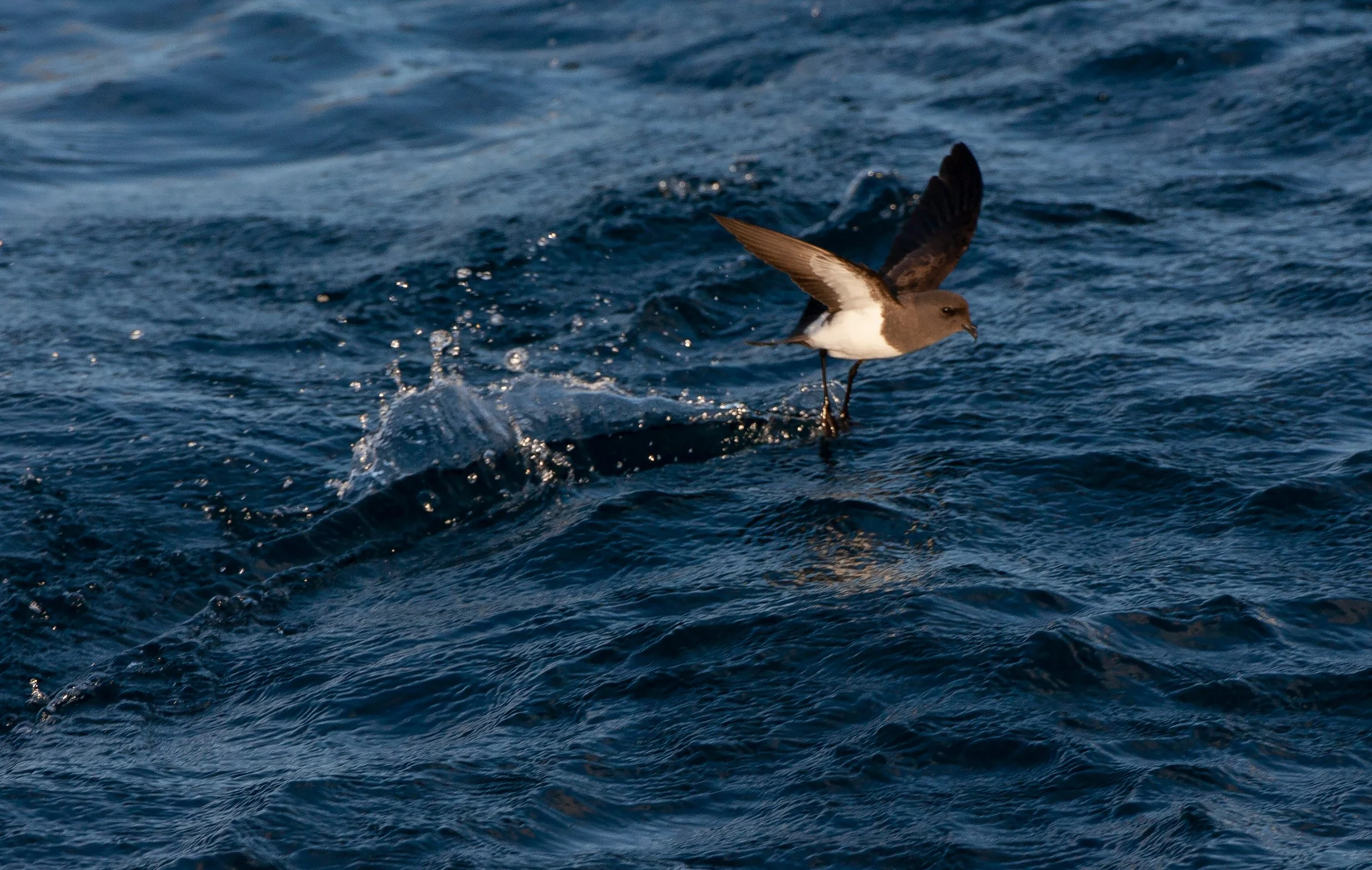
New Zealand Storm Petrel by AGAMI
Signs of recovery
The rediscovery of the New Zealand storm petrel was extraordinary, and what has happened since may be equally encouraging.
Monitoring and at-sea observations suggest the population may be increasing. Researchers have recorded growing numbers of sightings around the Hauraki Gulf, and ongoing surveys continue to improve our understanding of the species' status.
While many questions remain, the recovery of takahikare raro highlights what can happen when breeding habitats are protected and introduced predators are removed.
A symbol of hope
Many seabird stories focus on decline, but the story of the takahikare raro is different.
A bird once declared extinct was rediscovered in the waters of the Hauraki Gulf. A decade later, its breeding colony was finally found. And today, researchers continue to learn more about a species that seemed lost forever.
For conservation, it shows that protecting islands, restoring habitats, and controlling predators can have extraordinary results.
Today, the Hauraki Gulf remains the only known breeding location for the takahikare raro. Its rediscovery serves as a powerful reminder of just how important this region is for seabirds, and how much there is still to learn about the wildlife that calls it home.
Sources
Information and inspiration provided by Chris Gaskin and the Seabird Trust.
Additional information sourced from the Department of Conservation (DOC), Birds New Zealand, and research associated with the rediscovery and monitoring of the New Zealand storm petrel.
Population and monitoring insights adapted from ongoing Hauraki Gulf storm petrel research and Hauturu / Little Barrier Island monitoring programmes.