
Niki's Waiheke Experience: From San Francisco to Palm Beach
It was an absolute pleasure to host Niki Lao on a six-week volunteer programme here on Waiheke, part of the WorldStrides ISA/TEAN programme. But how did Niki find her time working in conservation on the other side of the world? Here is what she had to say.
Coming from a city
Having lived in a big city like San Francisco my whole life, I wasn't sure what to expect from life on Waiheke Island. I was never a huge fan of big crowds or bustling nightlife, so I already knew I wouldn't mind the quiet I expected of a smaller island. Not that I minded the noise at home, since I didn't live near the main nightlife streets. I just never had much interest in going out to crowded places at night, whether that was a party, a concert or a social event.
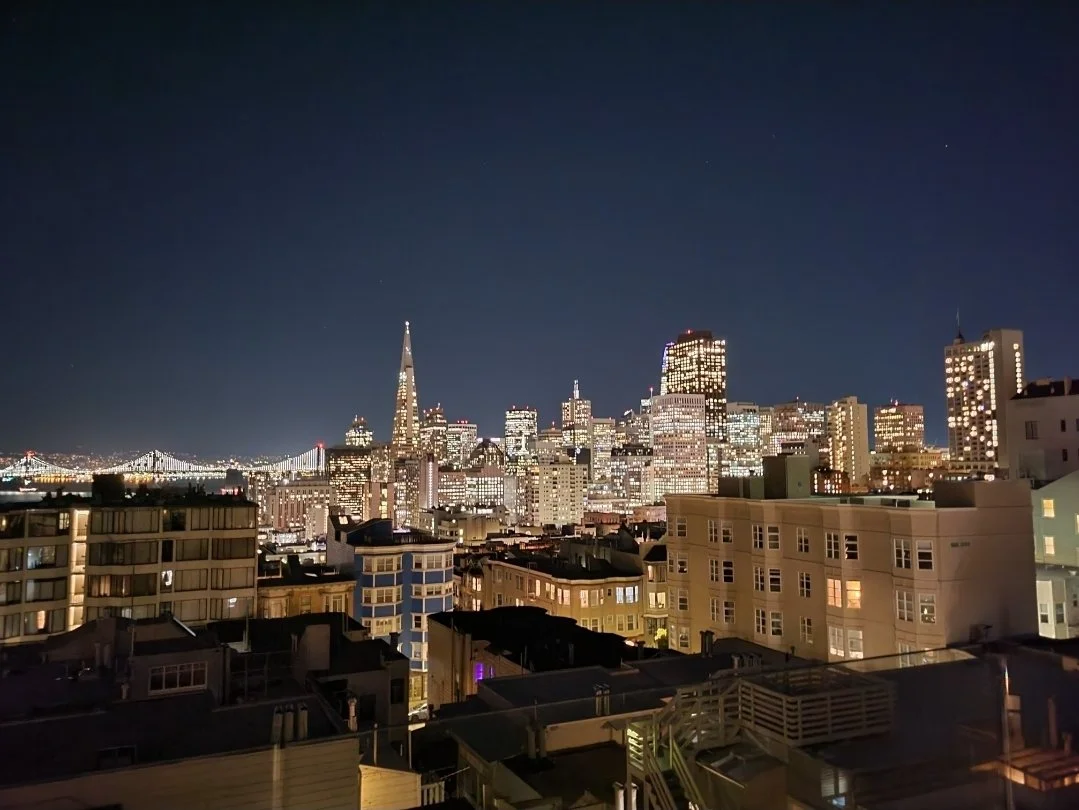
But San Francisco was the home I grew up in for eighteen years before moving away for college, and I still love it. The friends and the memories I made there, the convenience of a populated city, the diversity of people around me, and the sheer number of things available to do.
Two places called The Rock
I suppose there was one thing I already knew about island life. San Francisco has Alcatraz, famously known as The Rock. Waiheke, I soon discovered, has the same nickname among locals.
Thankfully the similarities pretty much end there. Rather than a former prison surrounded by cold Pacific water, this Rock turned out to be a place of beaches, bush, birds and, for six weeks, a very different kind of fieldwork.
In my version of San Francisco I was surrounded by concrete roads lined with parked cars, and buildings tall enough to stop me seeing very far into the city. There was Golden Gate Park with its museums, gardens and forests, which I have since learned Kiwi call the bush. There were stores open late into the night, streets lit by lamp posts, and, I would say, a very good variety of food. I was surrounded by pigeons and gulls running through the streets hunting for scraps dropped by people walking by. Most importantly, I was surrounded by friends and family who made me both angry and happy, morning, afternoon and evening.
Waking up at Palm Beach
Throughout my six-week stay on Waiheke working with Te Korowai o Waiheke, I came to learn about and love the island.
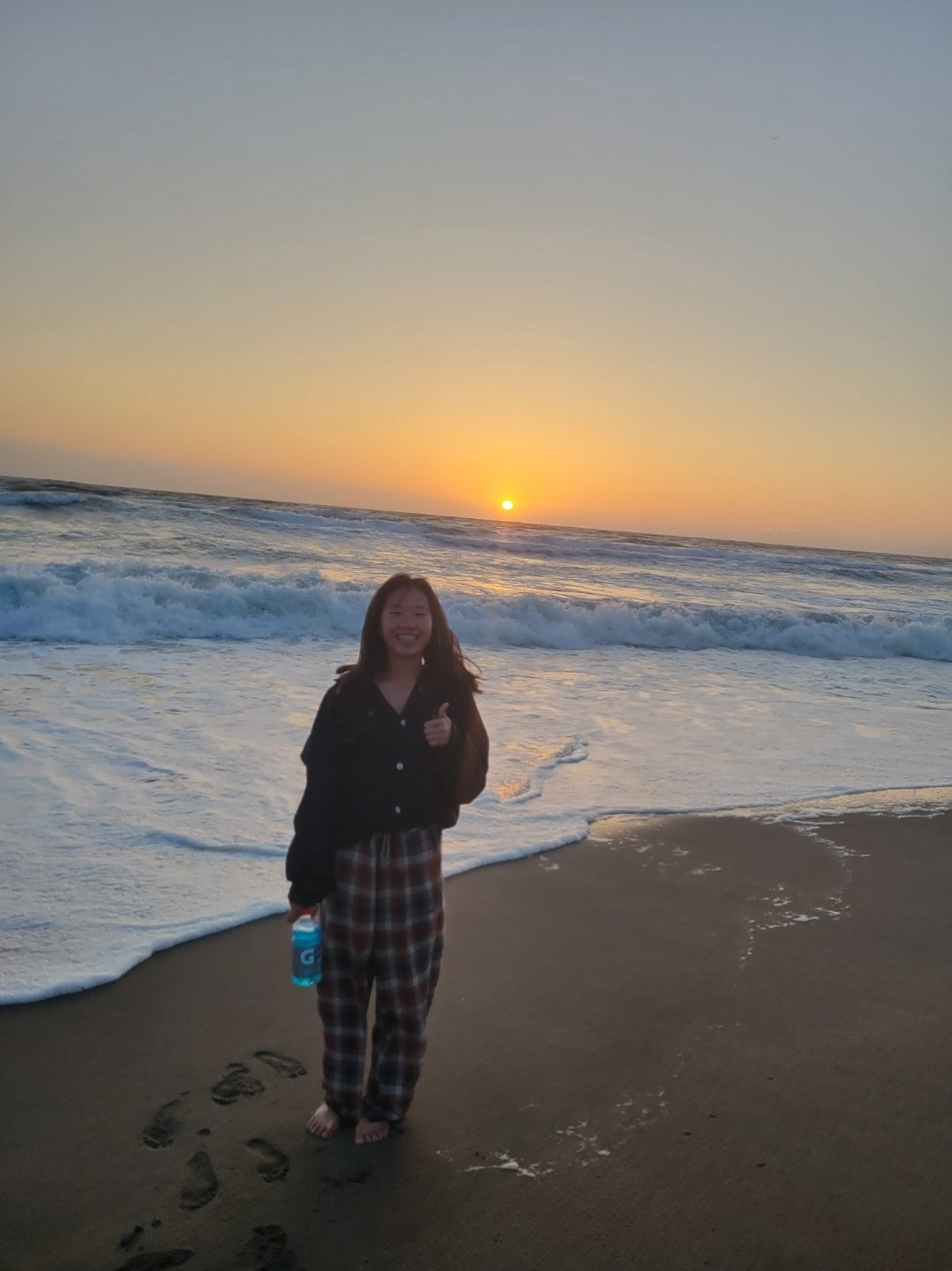
I stayed right in front of Palm Beach and woke up every morning to breaking waves and the sound of native birds, from tūī to kākā. Each morning I walked to the Te Korowai office as a kind of morning workout, and climbing Hill Road took some getting used to. The birds followed me the whole way and the views of the water kept changing. It was such an amazing way to start the day.
Learning the traps
Working with Te Korowai o Waiheke for six weeks has really broadened my perspective and my knowledge.
As part of my work servicing the island's vast network of traps, I got to go on so many amazing hikes and drives around Waiheke. Every new track and every new task was exciting. I was very obviously new to the island and had never seen any of it before, so hiking through the bush as part of the job was truly an amazing experience.
Learning about the increases in native birds found on Waiheke brought so much more meaning to the work. I learned a great deal about the thought that goes into trapping, from why certain traps are placed in specific spots, to what baits are used, to the different technological tools that support the trapping network.
Nature next door
To me, Waiheke is a place where I can immerse myself in nature while sitting comfortably next to an urban area, only a thirty-five minute ferry ride from central Auckland.
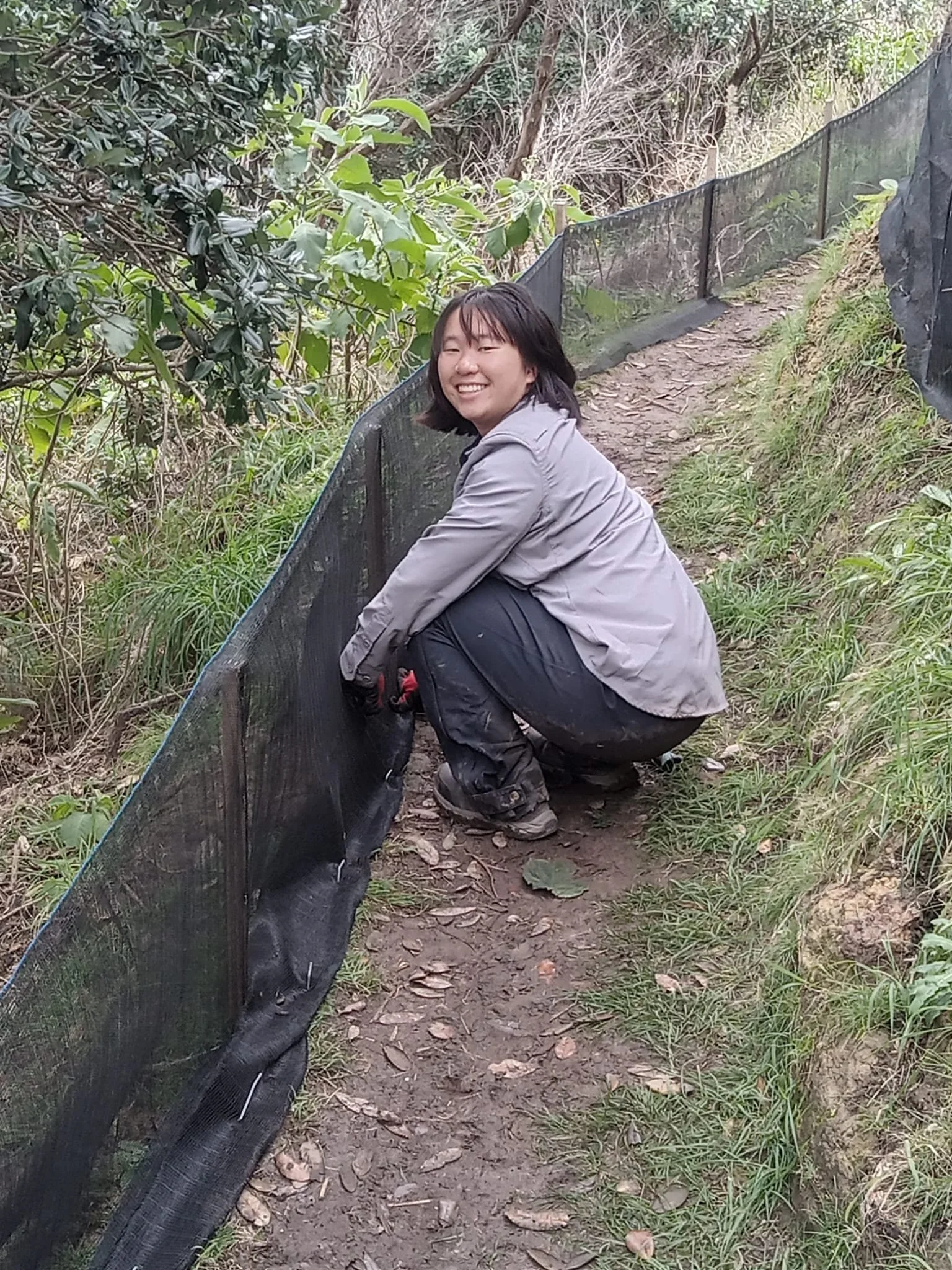
The island has been enjoyably peaceful, and the work with Te Korowai added structure and purpose to my days, filled with views that continue to stun me and the sound of birds singing. I have learned to appreciate the squawk of the kākā, and the pīwakawaka quickly became one of my favourite birds, thanks to its playfulness and curiosity, even if it was probably only using me for an easy meal as I disturbed insects on the track.
Dark skies and early closing
While exploring the island to satisfy my own curiosity, I learned that light pollution is barely a thing here, even on streets I assumed would be busier. I also learned, the hard way, that shops close earlier than I am used to, which makes evening plans harder to come by.
I don't completely mind the lack of light, though, because it gives such a clear view of the stars. I promise I even had the chance to accidentally see bioluminescence and the Milky Way at Palm Beach. Back home I would have to actively seek out somewhere dark enough to see the Milky Way, and bioluminescence was nowhere near the shores I am from. I was definitely not stargazing from the comfort of my own home either, the way I could here.
What I am taking home
For my short time working with Te Korowai and living on Waiheke, I have learned so much about island life and have learned to appreciate the sounds of nature more than ever.
The memories I made here will stay with me for a long time on my phone and, more importantly, in my mind, which captured far more than my phone ever could.
Niki volunteered with Te Korowai o Waiheke for six weeks through the WorldStrides ISA/TEAN programme.