Tilde’s Talks - From Acclimatisation to Hope: Aotearoa's Conservation Story
In Aotearoa, we have an island of endemic plants and animals all but decimated by introduced species. Now, with the mahi of passionate and dedicated people, some of those species are being brought back from the brink. But how did we get here? Let's go back through some of the history and attitudes that got us to this point.
In the mid 19th century, Victorians were running on a high. The British Empire spanned the globe, the Industrial Revolution was well underway, and scientific advancements were happening at breakneck speeds. They must have felt they could conquer anything, and they frequently did in the case of indigenous people. The general attitude of the day was that the colonisers' dominion was over everything, giving people full license to subjugate people and modify landscapes as they saw fit.
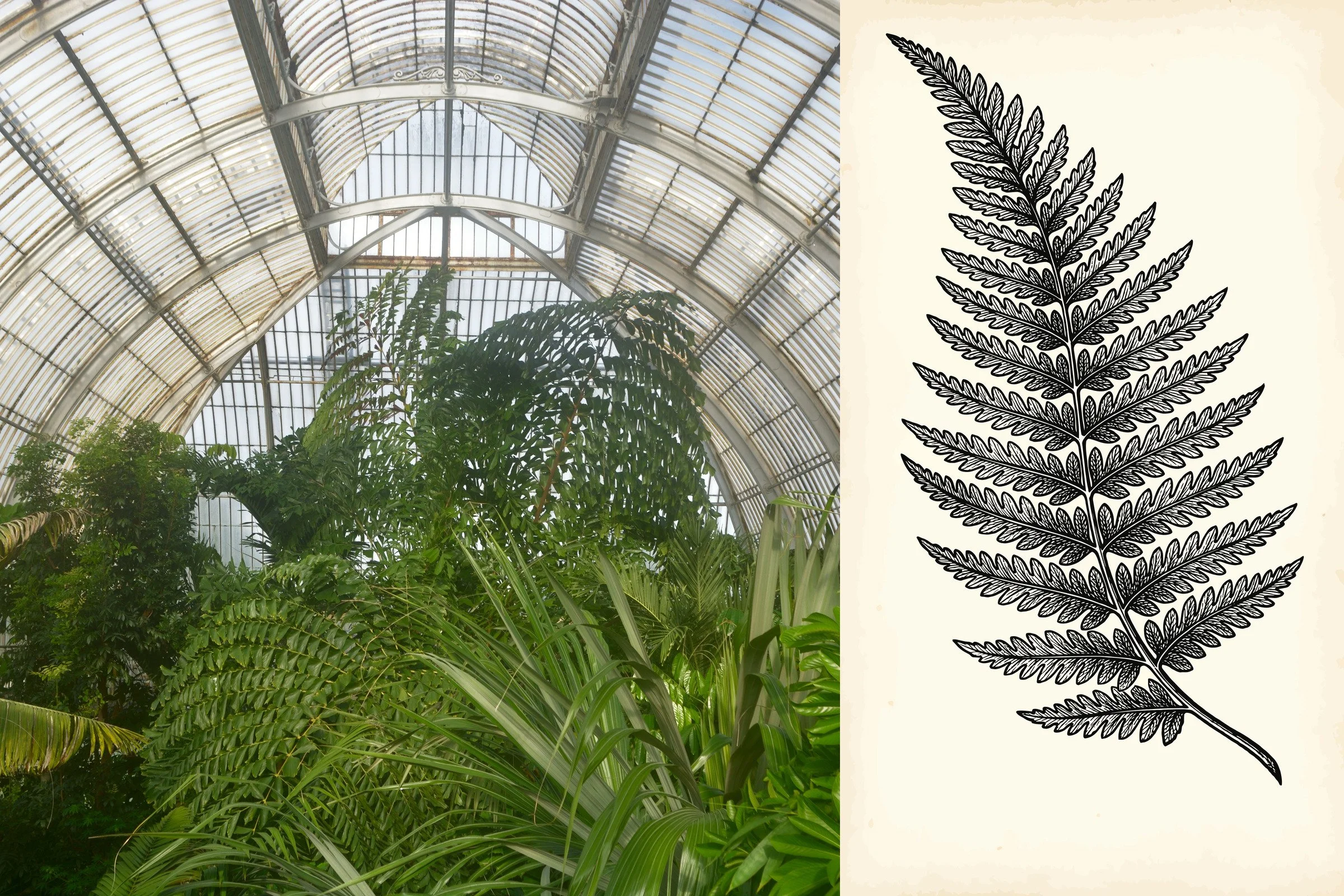
The Victorians had a fascination for all things biology and medicine, and it was an age of naturalists like Charles Darwin. The enthusiasm of naturalists infected the public, and as people began to travel more, collecting plants and animals became all the rage. One such craze was Pteridomania (Fern Madness). Every fashionable woman began collecting ferns and exotic ferns such as those from America and Aotearoa could fetch exorbitant prices. It became more normal to travel great distances (if you were wealthy) and take animals and plants with you.
For those who were not wealthy naturalists, travelling meant you were there to stay. For middle and lower-class people, a trip to Aotearoa was similar to how we imagine a trip to Mars: a one-way ticket to an alien place. For those never expecting to return home, the plants and animals they took with them were their means of survival and a way to stave off homesickness. People would have had no concept of how to survive in Aotearoa despite the fact that people had been living there for hundreds of years. Settlers took vegetables, fruit trees and livestock with them to ensure that they could continue farming as they had been for generations. Settlers also took plants that reminded them of home: songbirds, flowers and companion animals like cats and dogs. Pioneers were told that Aotearoa was a fertile paradise, but they did not know how to utilise the native species. The pioneers saw forests and rivers devoid of useful species and in need of “improvement” to make them more like the environments they knew. One colonist from the time wrote, “Just as New Zealand forests are destitute of game, so are its rivers destitute of fish … they boast no single fish worth the angler's catching”.
The combination of animal and animal collectors and settlers led to acclimatisation societies, both in the new and old world. These people thought that animals could adapt to their new environment, and they were sometimes right. They envisaged gazelles grazing in European pastures or English families raising wombats for meat.
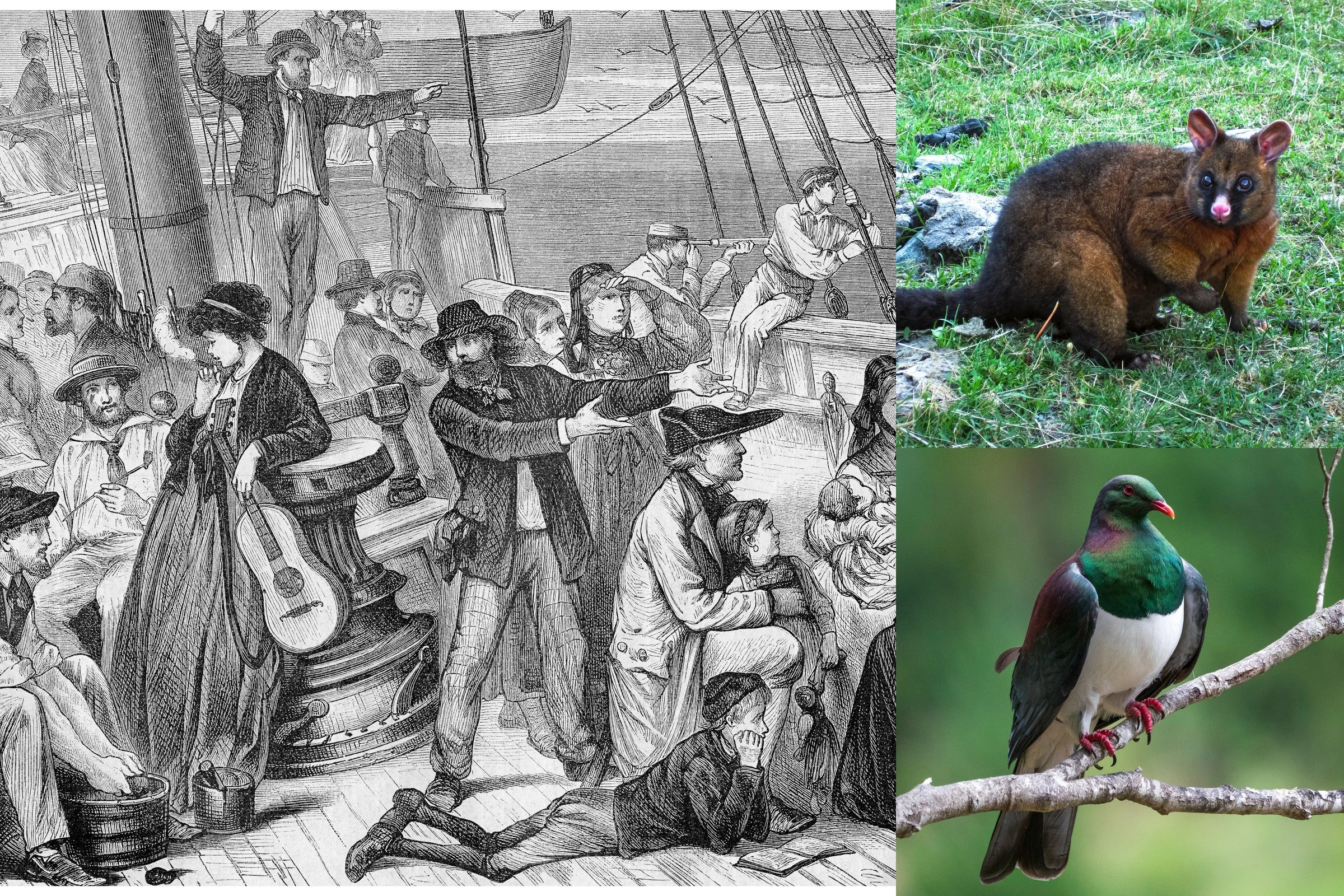
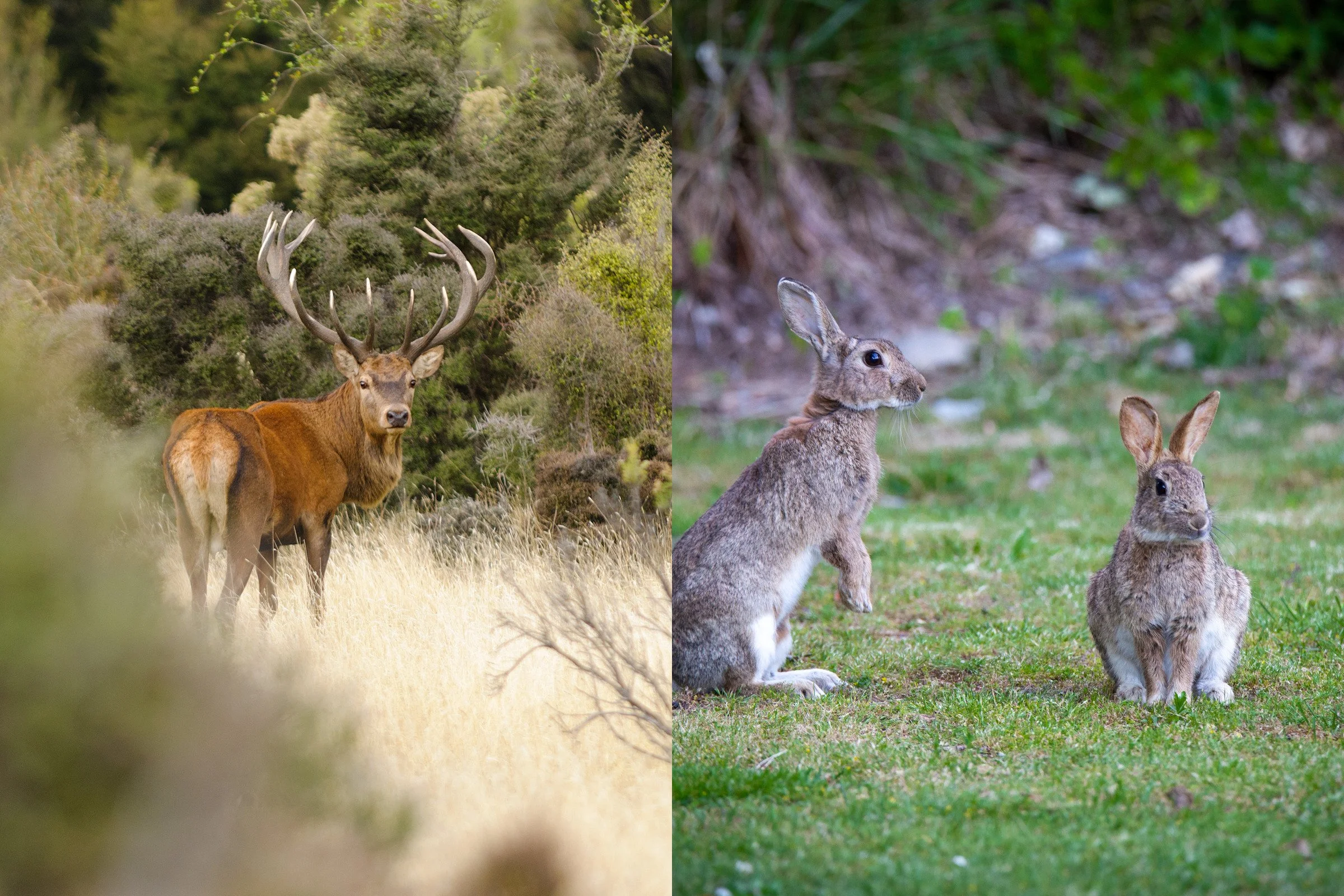
Soon, acclimatisation societies were also set up in Aotearoa, Australia and North America. The government funded the societies and soon, livestock, fur species such as foxes and possums, agricultural and ornamental plants, and game species such as deer, rabbits, hares and goats were introduced. One of the main challenges was the survival of species, both in the transportation of animals from other countries (animals were transported in cages on the deck of sailing ships, leading to high mortality) and the survival once released. Some of the animals they wanted to introduce were outlandish, though luckily many did not survive. Unsuccessful introductions included a single African lion, a Californian bear, kangaroos, gazelles, and zebras. The application to introduce wolves was luckily denied.
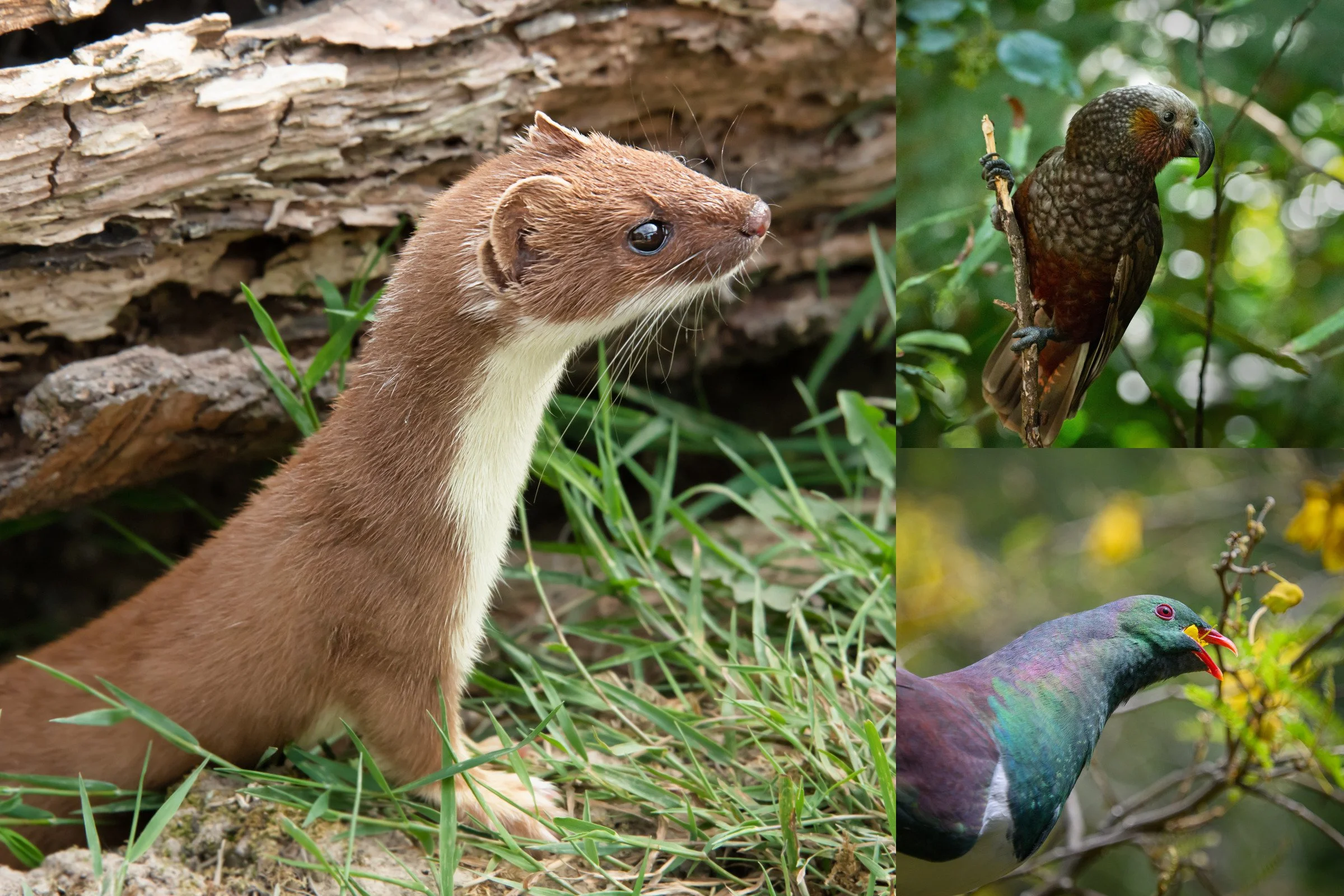
The impact of introduced pests was felt almost immediately, with many native species going extinct within half a century of new predators being introduced. Along with predation, species had added pressure from habitat loss, as forests were felled and wetlands drained. Many predatory species were protected from hunting. Stoats, for example, were protected because they were meant to control rabbits, which had been released for meat but multiplied to plague proportions. It took years of decimated bird populations for most people to begin to realise the scale of what they had done. Thankfully, a few conservation heroes were able to prevent extinctions and pave the way for our current conservation efforts. One such hero was Don Merton and his team, who were able to save the black robin on Little Māngere Island in 1976. There were a mere seven birds left, and after careful breeding programmes and predator control, they now number around 350. Other birds such as kākāpō and takahē have been saved using these pioneering techniques.
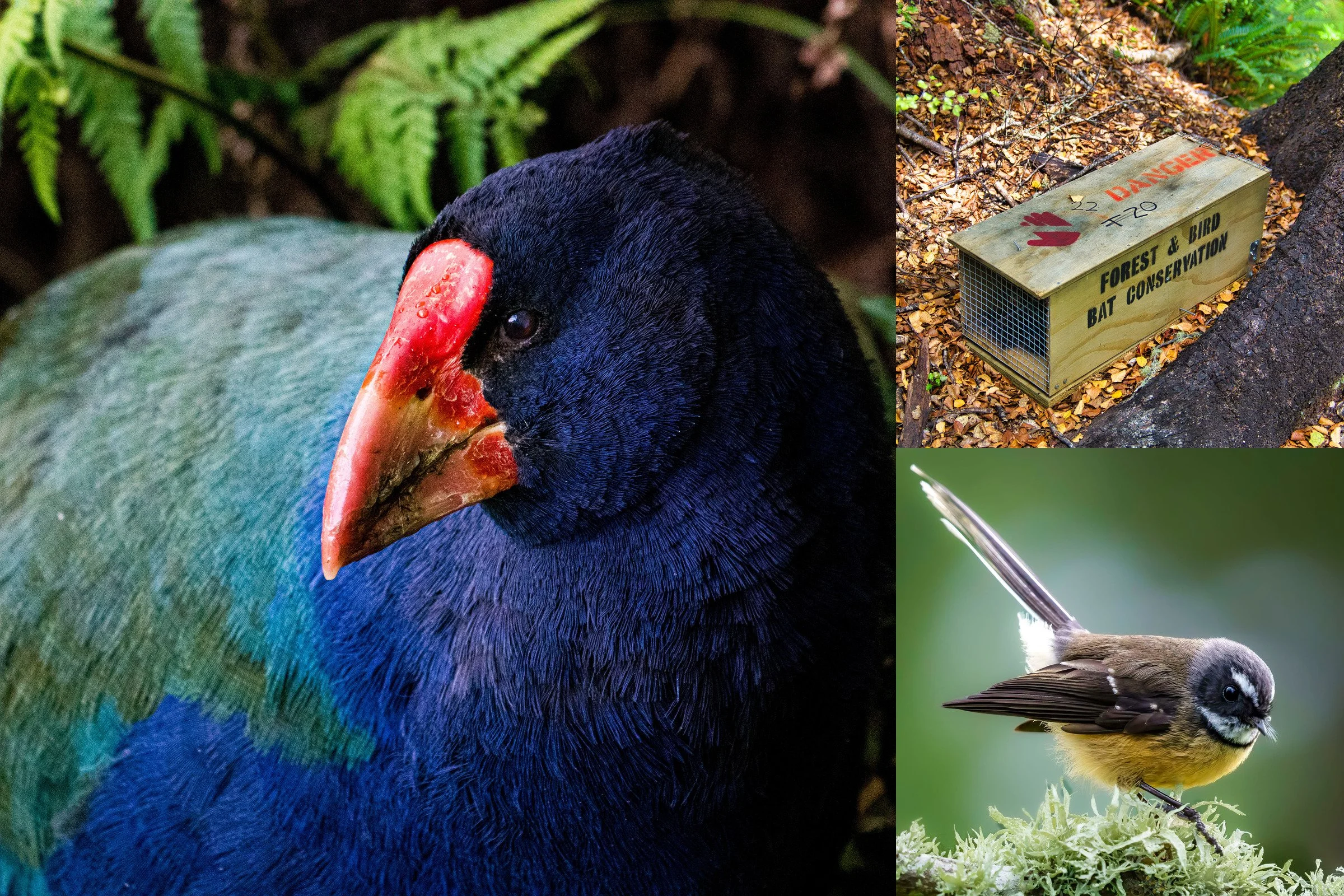
Now, kiwis grow up learning about our native species, the threats to them, and increasingly get involved with conservation. Predator-free projects have sprung up all around the country and backyard trapping has never been more common. The future looks bright for many species that were nearly lost. Next time you see a swooping kererū, a squawking kākā, or a flitting fantail, take time to marvel that against all odds it is still here.
The gains are real but fragile, and it will take all of us to protect nature. If you want to get involved, find your local volunteer pest control group and use your political voice to ensure that we continue to share our country with these amazing creatures.
— Written by Tilde Sorensen, Te Korowai o Waiheke Team Member